North Yorkshire · Est. 6th Century

A village of ferns,
stone and silence.

Welcome to Farnham — a quiet limestone village two miles north of Knaresborough, where Saxon roots run beneath every footpath and the bells of St Oswald's have called villagers home for nearly a thousand years.

Scroll
I · About Farnham

A homestead among the ferns.

The name Farnham comes from the Old English Feran-hām — "the homestead among the ferns" — and for fifteen hundred years that is what it has remained: a small, settled place tucked into the slow folds of North Yorkshire, where the limestone breaks the surface and the ferns still come up between the walls in spring.

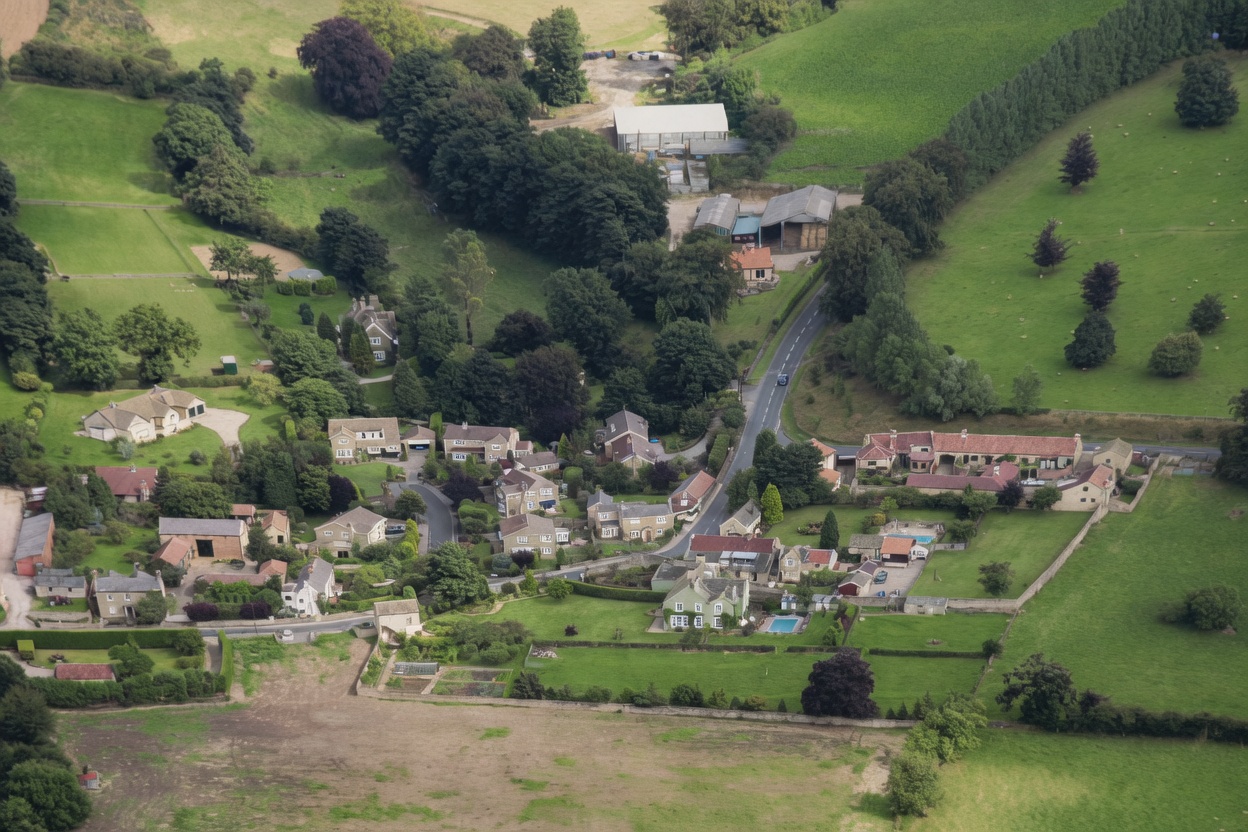
The village sits on a low magnesium-limestone ridge that rises gently above the carrs and mires of the Nidd valley — a thin strip of higher, drier ground that has shaped both its plan and its character. Linear in form, it follows the contour for half a mile, hedgerows running with it.

Population
~236

Current estimate · 214 at the 2021 census

Conservation Area
1993

Boundary refined 2011

To Knaresborough
2 mi

Train station & market town

To Harrogate
5 mi

Spa town to the south-west

"And did those feet in ancient time
Walk upon England's mountains green:
And was the holy Lamb of God,
On England's pleasant pastures seen!"

William Blake · Jerusalem
II · A Thousand-Year Story

Layers of time, written in stone.

Farnham wears its history on the surface. In the limestone ridge it sits on, in the names of its lanes, in the stones of its church and the dated lintel of its manor — every era has left a fingerprint on the landscape, and most are still here to be read.

Saxon settlement, sixth century

The village's first chapter begins, by tradition, with Anglo-Saxon settlers in the sixth century AD. Their preferred ground was the higher, drier limestone — the magnesian-limestone ridge that runs north to south above the carrs and mires of the Nidd valley. They cleared a "ferny enclosure" — a Feran-hām — and broke ground for fields where the ferns once grew. Within a generation or two, they had a church.

St Oswald — the warrior-saint of the North

The dedication of Farnham's church is itself a piece of history. The Venerable Bede, writing at Jarrow in the early eighth century, recorded the rise of Oswald of Northumbria — a Christian warrior-king who took the throne in 634, converted his kingdom with the help of Bishop Aidan from Iona, and founded the great monastery on Lindisfarne. Killed in battle in 642, Oswald was quickly recognised as a martyr and saint, and churches across Northumbria were dedicated to his memory. It is from this northern Saint Oswald — and not the later tenth-century bishop of Worcester who shares the name — that Farnham's church is traditionally held to take its dedication.

Domesday and the Honour of Knaresborough

By 1086, when William the Conqueror's surveyors compiled their great inventory of the kingdom, Farnham was already a settled place. The entry is brief, the formula familiar: a small population, land for a single plough, and — crucially — a priest and a church. After the Conquest, William rewarded his knights with manors. The Manor of Knaresborough — known as the Honour, or Lordship — extended its reach over a cluster of villages including Farnham, in an area called The Liberty. Farnham's destiny would be tied to Knaresborough's for the next nine hundred years.

The Norman church and Beauvale Priory

In the twelfth century, the Saxon church was pulled down and replaced by a Norman one — a new building in coursed limestone, with a chancel of unusual elegance, built about 1180. That chancel survives almost intact. Through the thirteenth and fourteenth centuries, the nave was widened with north and south aisles. Around 1500 the west tower was raised, in a darker, harder gritstone that still gives the building its distinctive two-tone elevation. The Carthusian Beauvale Priory held the advowson — the right to appoint the priest — and a quiet monastic restraint runs through the church's character to this day.

Recusants, the Old Manor, and the seventeenth century

Through the Reformation and after, several Farnham families held to the old Catholic faith — quietly, at considerable risk, in a county where recusancy ran deeper than most. The most prominent surviving building of this period is the Old Manor House, raised in 1667 with its dated lintel still legible. With Farnham Hall, Branton Court, and Heron Court, it forms the core of a small but distinguished group of seventeenth-century houses.

Limestone, copper, and the gravel pits

For two centuries the village's quiet economy was supplemented by extractive industry. Limestone was quarried from the ridge for building stone and lime-burning. A short-lived copper mine opened on Folly Hill — its name now the only easily-read trace on the landscape. From 1941 to 1985, the Farnham Gravel Pits worked the floodplain south-west of the village; the exhausted workings filled with water and became, in time, the 200-acre lakes that now lie along the village's south-western edge.

Conservation, the Millennium, and today

In 1993 Farnham was formally designated a Conservation Area, in recognition of the near-intact historic core; the boundary was refined in 2011 following a detailed character appraisal. To mark the Millennium, in 2000–01, the community undertook a major restoration of St Oswald's, securing its future for another generation. The village today is just over two hundred souls, governed by a Parish Meeting — direct democracy, where every elector has a voice in the room.

A guided tour

Walk the village.

The Village Idiot's Harrogate Parish #13: Farnham is a measured walking tour of the village — covering the Saxon origins, the church, the copper mine, the gravel-pit lakes, the Treves factory and Ripon Sailing Club.

Video: The Village Idiot · YouTube · January 2024

A Chronological Summary

A walk through fifteen centuries.

  1. 6th Century

    Saxon Beginnings

    Anglo-Saxon settlers establish a small farmstead on the limestone — a Feran-hām, the homestead among the ferns — above the wet carrs of the river valley.

  2. 634 – 642

    St Oswald of Northumbria

    King Oswald reigns over Northumbria, founds Lindisfarne with Bishop Aidan, and is martyred in battle. Across the kingdom — including, by tradition, at Farnham — churches are later dedicated to him.

  3. 1086

    Domesday Survey

    Farnham appears in the great Norman audit as Farneham, held before the Conquest by Gospatric son of Arnketil. Plough-land, meadow, a priest and a church — the first written witness to a settlement already old.

  4. c. 1180

    A Norman Church

    The wooden Saxon church is replaced in stone on a Romanesque plan. Carved capitals and the corbel-table heads of the chancel, some still in place, date to this Norman fabric — among the oldest standing in the county.

  5. 13th – 14th C

    Aisles & expansion

    Aisles widen the nave; a south porch is added; the chancel arch is rebuilt as the church grows to accommodate the village’s medieval congregation. The font is set in place.

  6. c. 1500

    The West Tower

    The fifteenth-century west tower of St Oswald’s rises in grey magnesian limestone — the village’s most enduring landmark and the one feature still legible from a distance across the carrs.

  7. 1667

    The Old Manor House

    The Old Manor House is rebuilt on the green, dated 1667 above its lintel — the village’s earliest dated dwelling. Coursed limestone, mullioned windows, pantile roof: the visual grammar of every later Farnham house begins here.

  8. 1854

    Scott’s Restoration

    Sir George Gilbert Scott restores St Oswald’s: the south wall and porch rebuilt, the nave reroofed and its windows renewed. Listed Grade I in 1966.

  9. 1941 – 1985

    The Gravel Pits

    Forty-four years of gravel extraction south-west of the village. By 1985 exhausted; later filled with water to become the 200-acre lakes.

  10. 1993 · 2000–01 · 2011

    Conservation & Millennium

    Farnham designated a Conservation Area (1993). Major restoration of St Oswald's marks the Millennium (2000–01). Conservation Area boundary refined (2011).

A Deeper Read

A thousand years on the limestone ridge.

For the full story — Domesday, the Bickerdike martyr, Guy Fawkes’ sisters at the altar, the Marston Moor cannonballs, “Blind Jack” Metcalf and the road to Boroughbridge, the lost manor of Walkingham Hall, John Wood who lived to a hundred and three — visit our dedicated Heritage page.

Read the full History & Heritage →
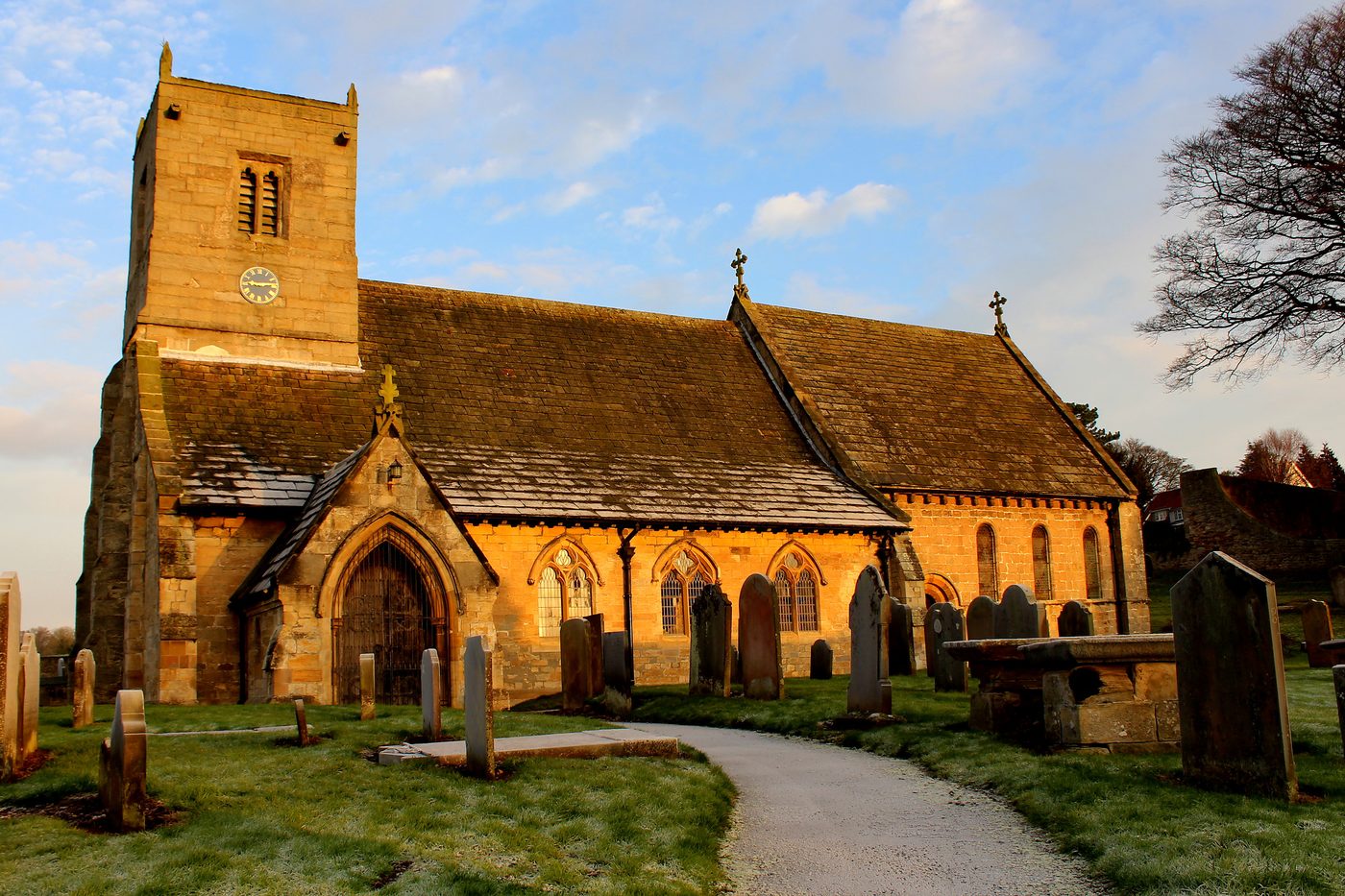
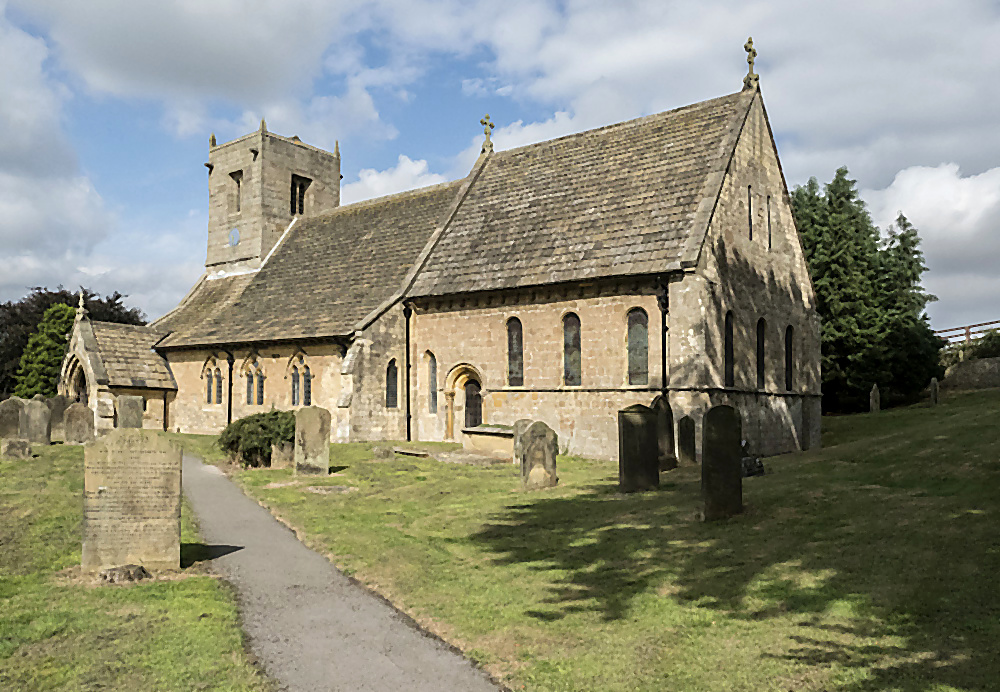
St Oswald's bathed in golden hour light, viewed from the south-west across the churchyard
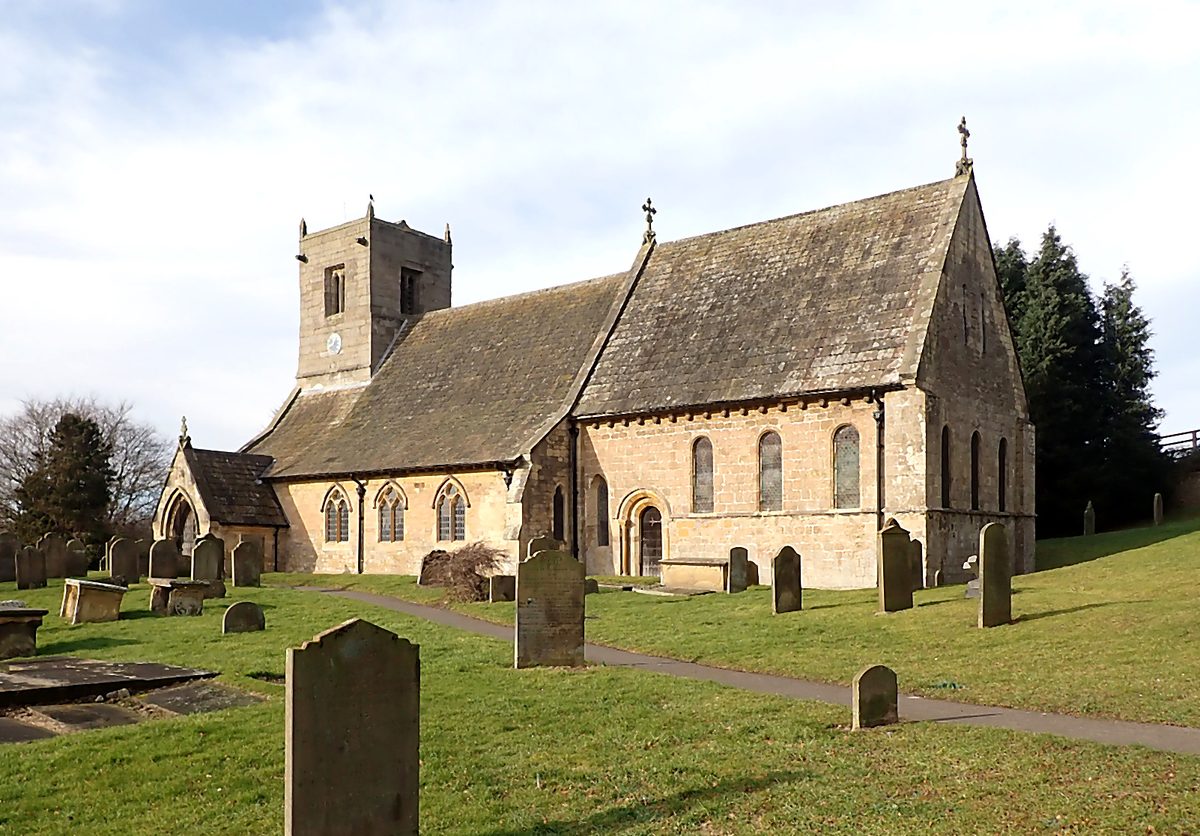
St Oswald's from the south-east on a bright winter morning, showing the gritstone tower, south porch, and surrounding gravestones
St Oswald's in soft warm light, viewed from the south
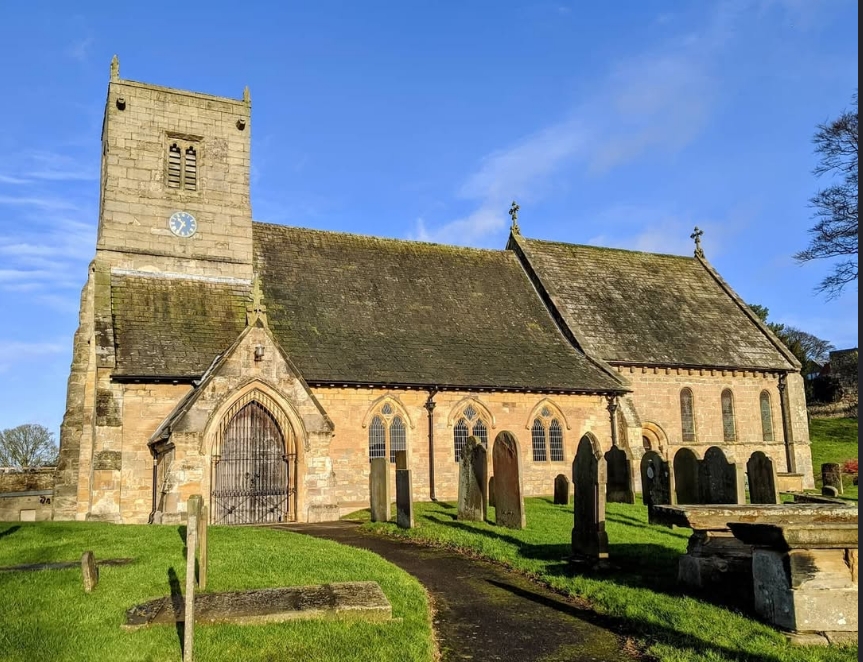
St Oswald's viewed from the churchyard, the path leading toward the porch
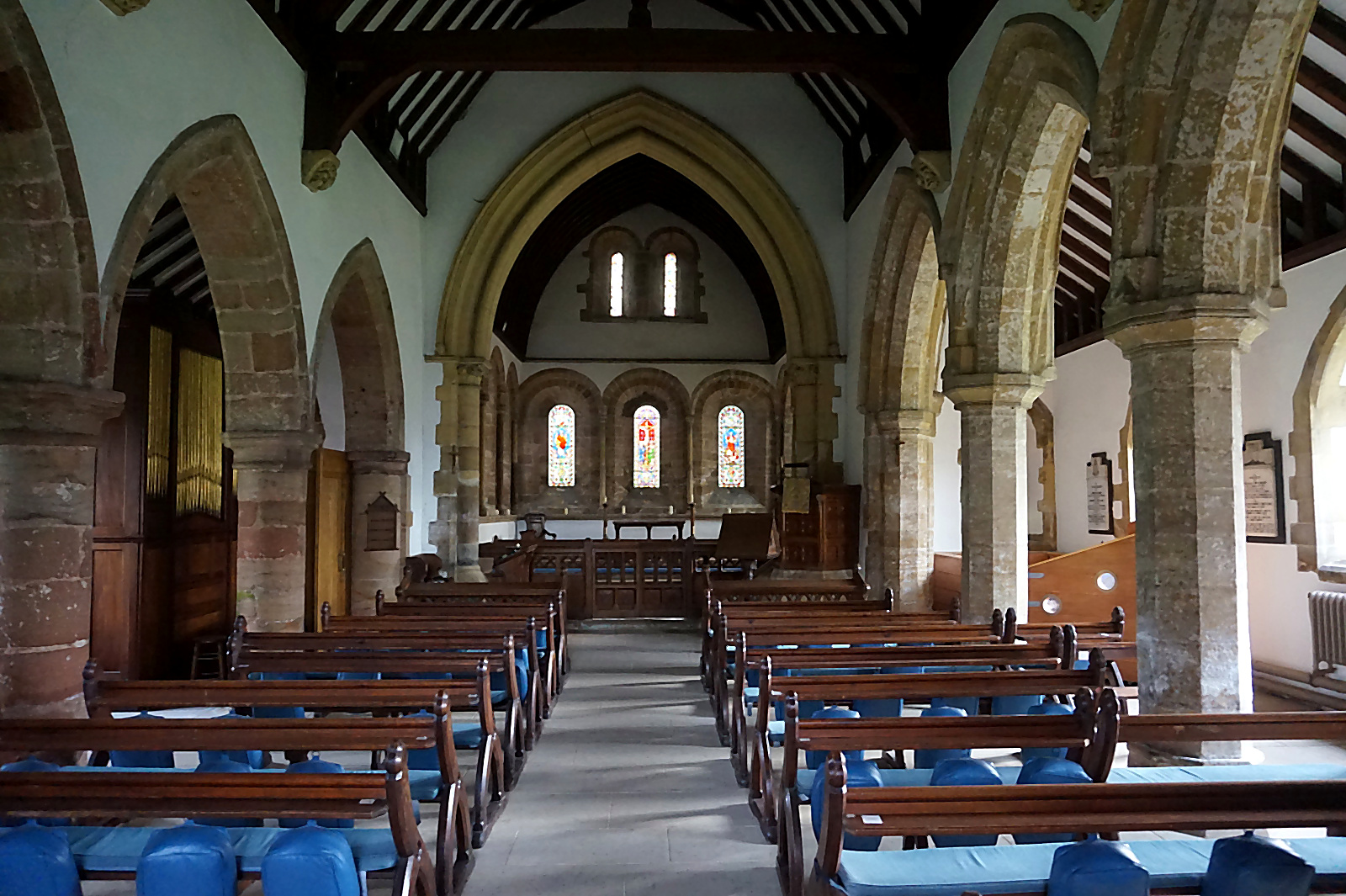
The nave of St Oswald's looking east towards the chancel arch, with stone columns and pews
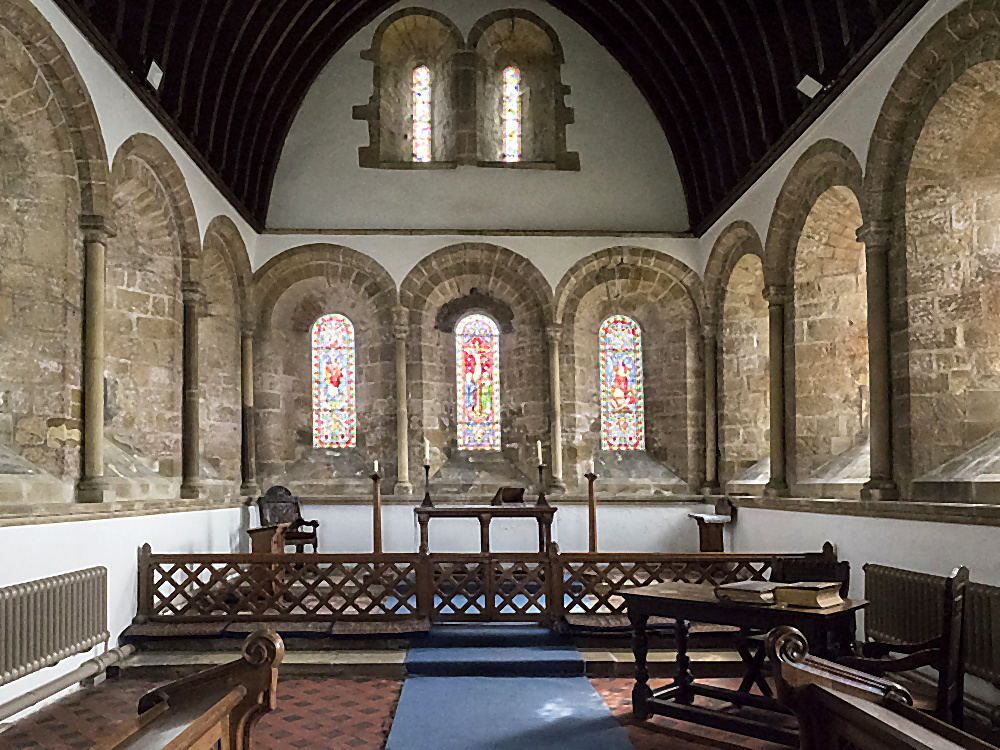
The 12th-century chancel of St Oswald's with its Norman round-arched windows, stained glass, and stone arcades
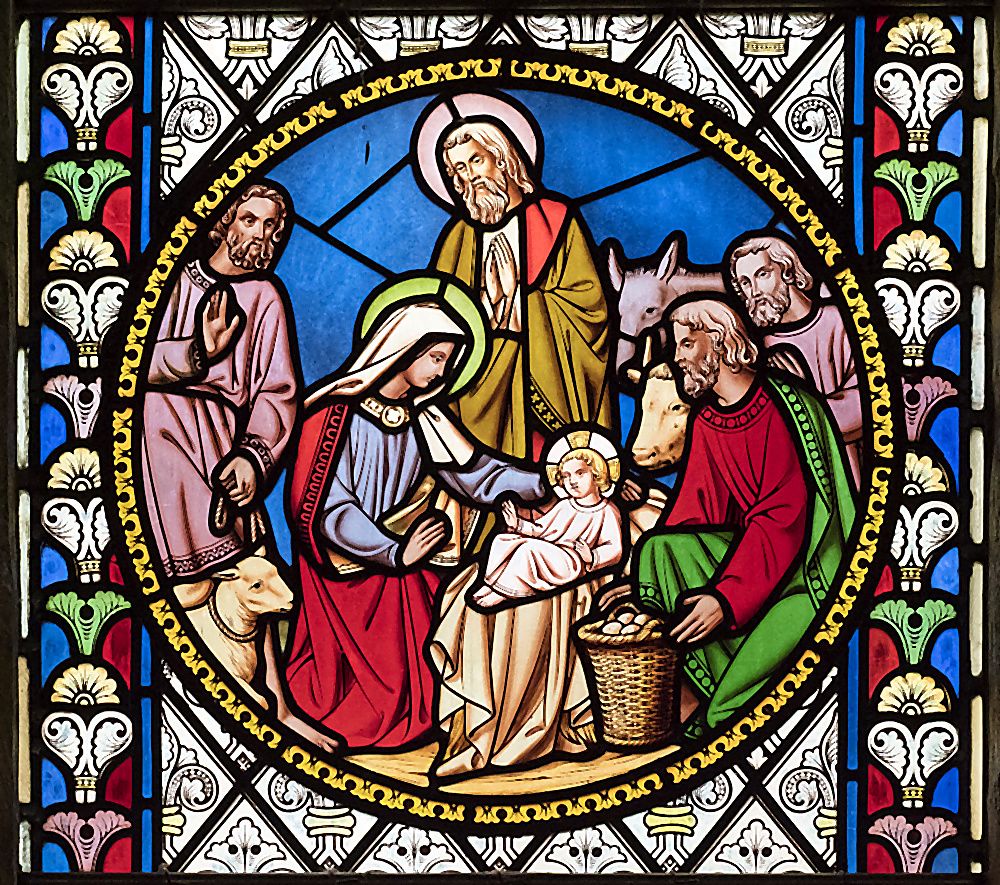
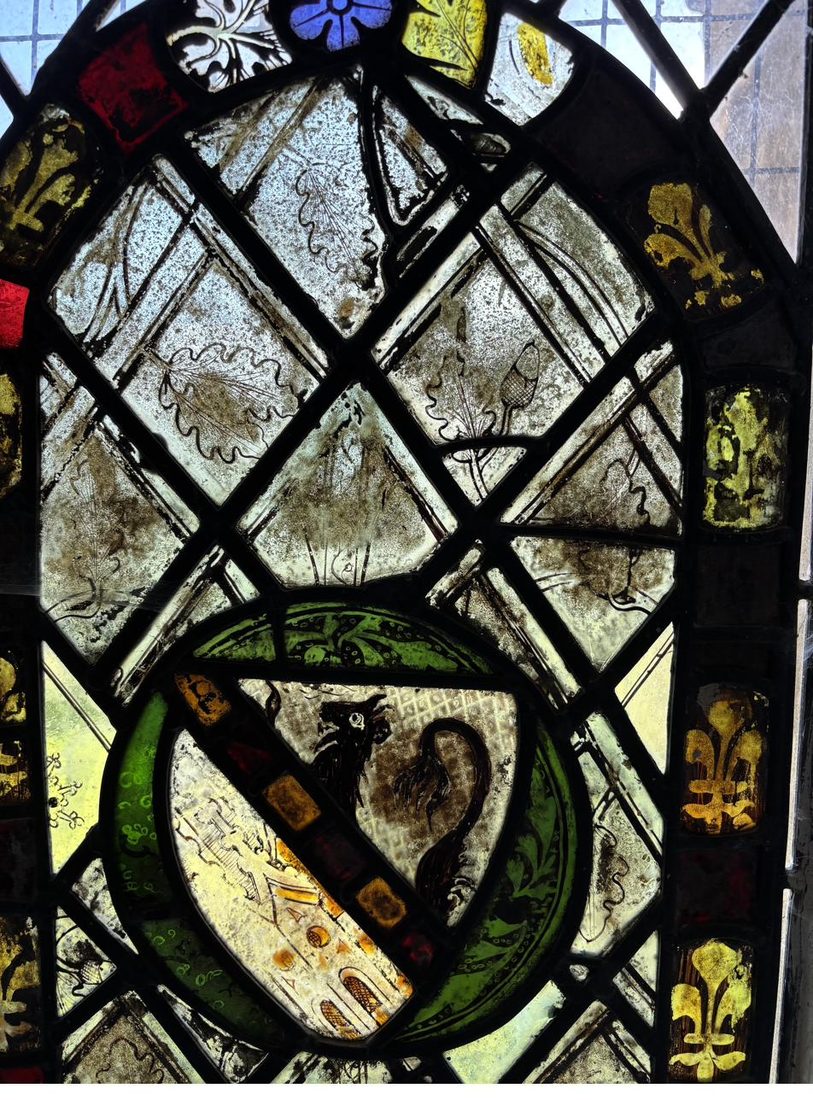
A roundel of Victorian stained glass at St Oswald's, depicting a Nativity scene framed by colourful Gothic foliage
St Oswald's Church · Grade I listed · 12th-century chancel
III · St Oswald's Church

A rare, almost-untouched Norman chancel.

"The chancel — beautiful."

Sir Nikolaus Pevsner · The Buildings of England

St Oswald's stands at the high western end of the village, on a small platform of churchyard. It is built of limestone and gritstone with a stone-slate roof — the west tower of darker, harder gritstone weathered almost to grey-black, the nave and chancel in mellower limestone. The contrast is unusual, and unforgettable.

The plan is generous: a nave with both north and south aisles, a south porch, a chancel almost as long as the nave itself, and a west tower embraced by the aisles. The chancel is the prize — its shafted capitals and plain string courses belong to the very end of the twelfth century, the moment Romanesque was beginning to give way to Early English Gothic.

The aisles were added through the thirteenth and fourteenth centuries; the tower came later still, around 1500, when the nave was extended one bay westwards. In 1854 G. G. Scott restored the building with notable sympathy — his work confined largely to a new south porch and nave windows. The Norman fabric he found, he kept.

The church is traditionally held to take its dedication from Saint Oswald of Northumbria — the seventh-century warrior-king and founder of Lindisfarne — rather than the tenth-century Bishop of Worcester who shares the name.

  • ListingGrade I · 1966
  • Earliest Mention1086
  • Norman Chancel12th c.
  • West Towerc. 1500
IV · Village Life

A working village, not a museum.

Farnham today is small — a little over two hundred souls — but it is decisively a community. Houses change hands slowly. Families know each other's gardens. The Parish Meeting, the green, the church, and the lanes between them are kept by those who use them.

Buildings & Materials

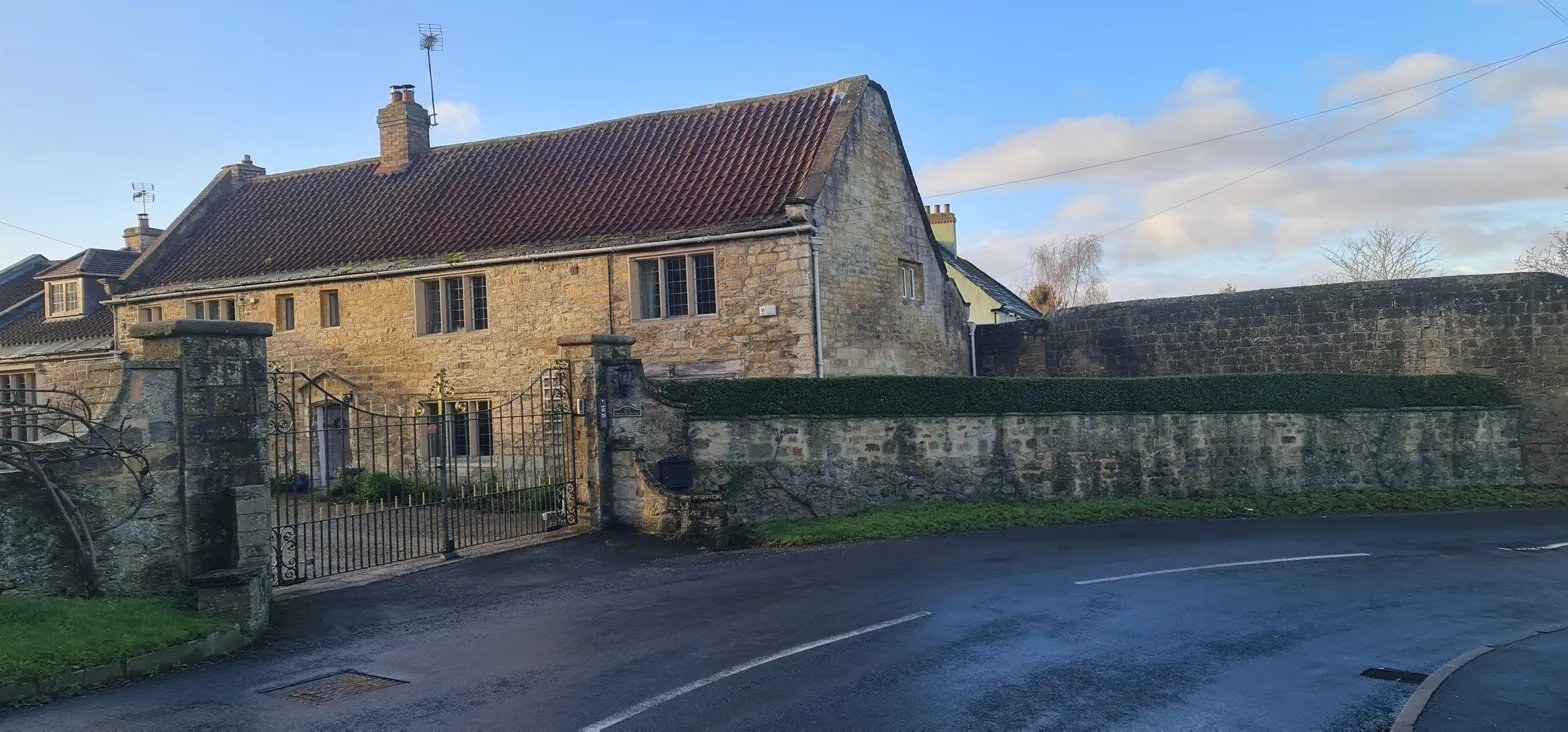
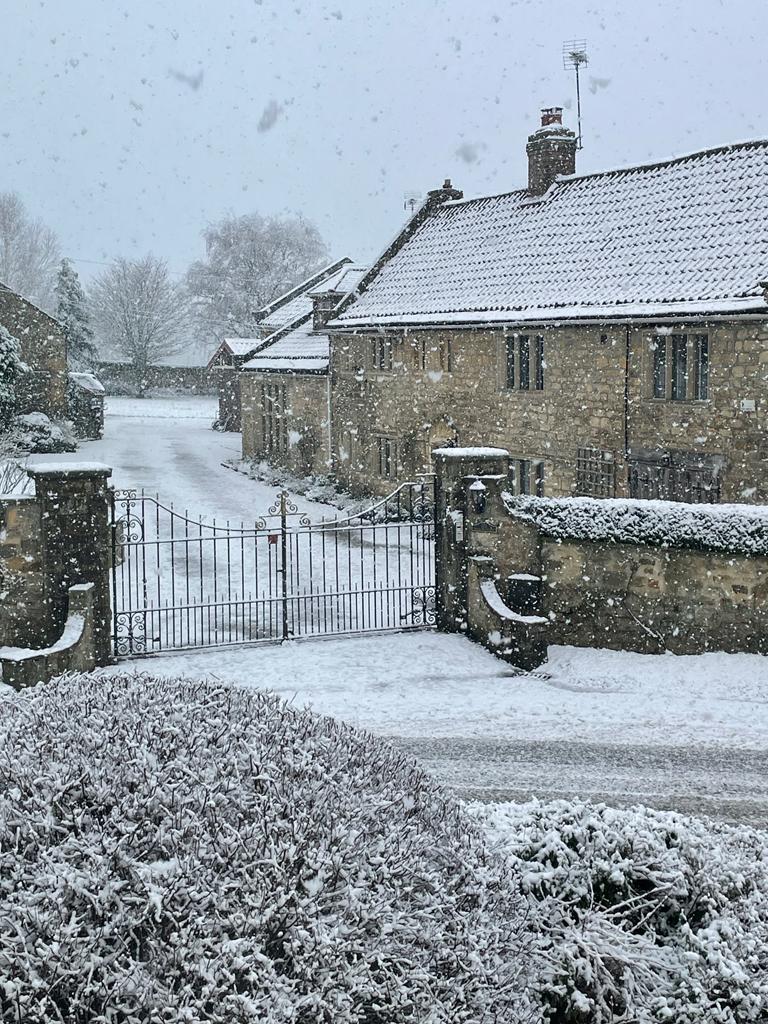
Coursed magnesian limestone and gritstone walls, deep clay-pantile roofs in warm orange-brown, sash windows on the older houses. The Old Manor House (1667), Farnham Hall, Branton Court, and Heron Court are the most distinguished — but it is the consistency of the lesser houses that gives the village its quiet authority.

Green, Phonebox & Fingerpost

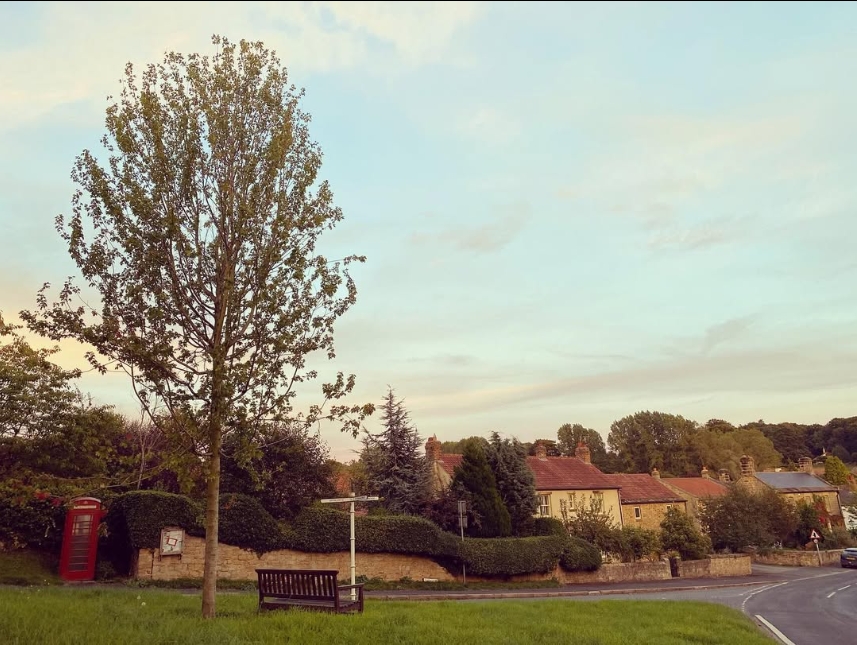
The village green is small but central — used and walked across daily. Beside it stand the iconic cast-iron fingerpost (Scotton & Ripley · Knaresborough · Bridlepath), the red K6 telephone kiosk, and a cast-iron post box on Main Street — three small monuments to the unhurried working life of the place.

Lanes & Cottages

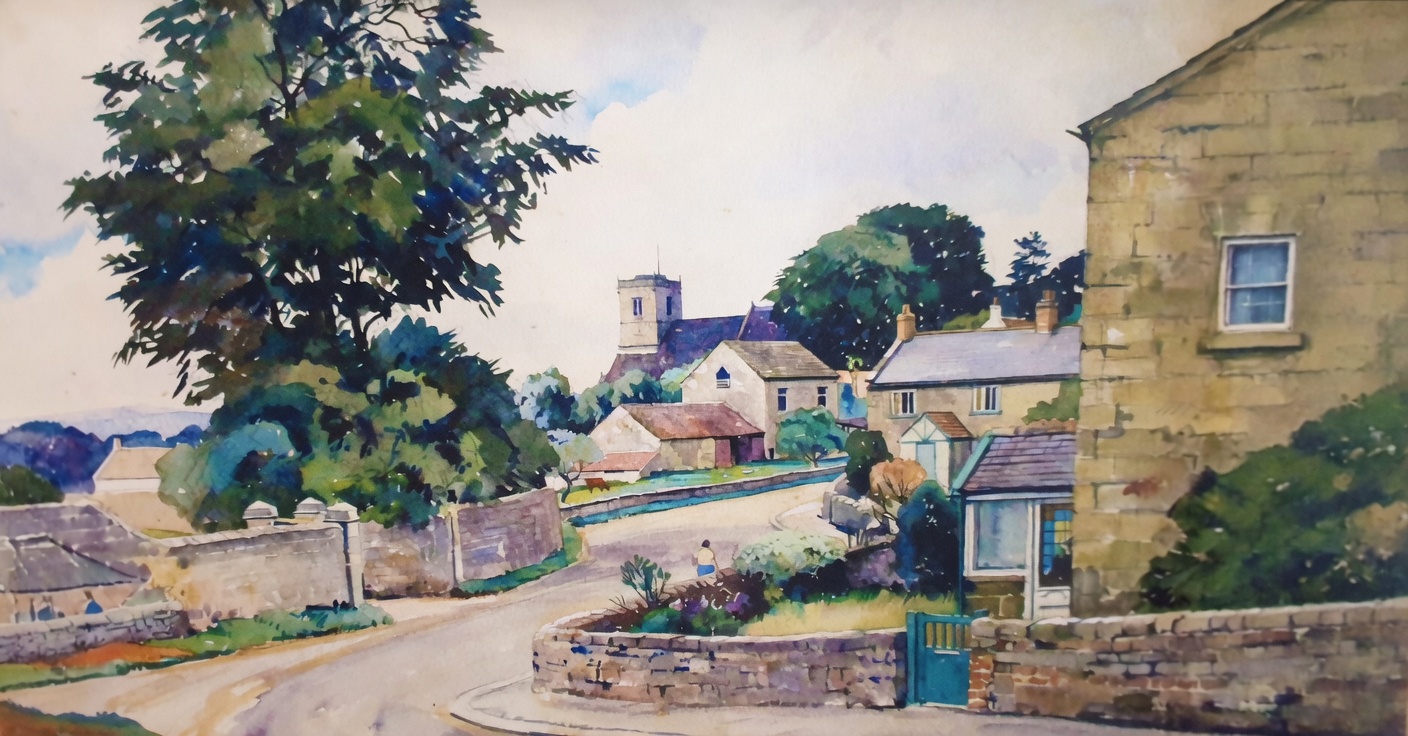
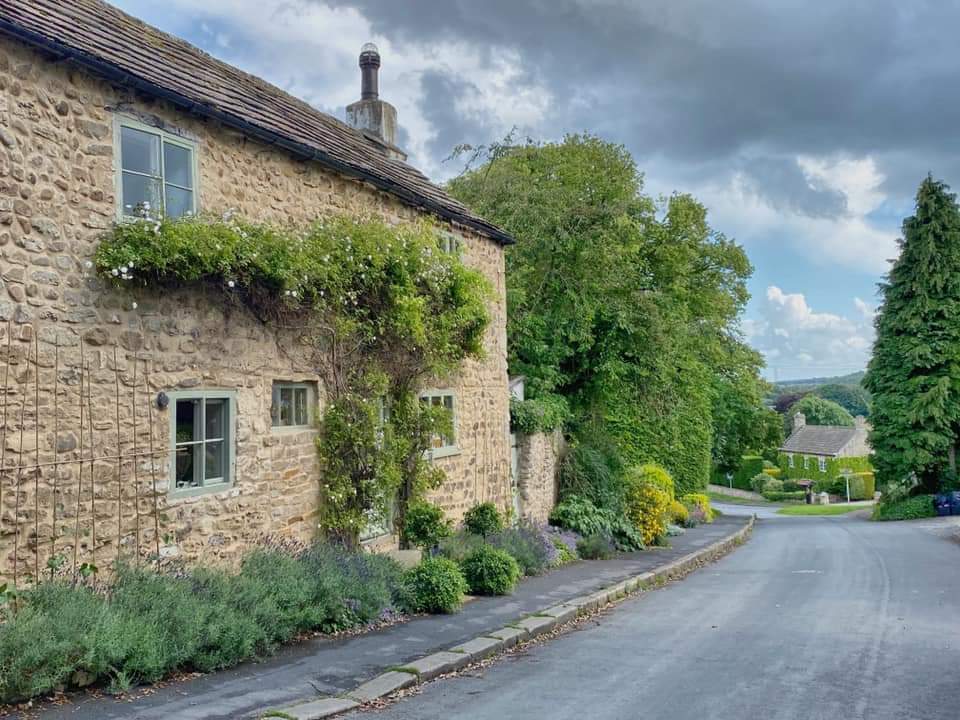
Stang Lane and Shaw Lane drop away from the church on either side, hedges full of birdsong from April onwards. Climbing roses scramble up more than one cottage front; lavender lines the pavement; the eighteenth-century chest tombs in the churchyard are listed in their own right.

Parish Meeting & Community

Farnham is small enough to be governed by a Parish Meeting — direct democracy, where every elector is a member and every voice is heard in the room. The Meeting oversees conservation matters, footpaths, and represents the village to North Yorkshire Council. Minutes are open to all. Our twelve guiding principles set out the standards we hold ourselves to.

Read the latest minutes & accounts →

The Lakes

A landscape made twice.

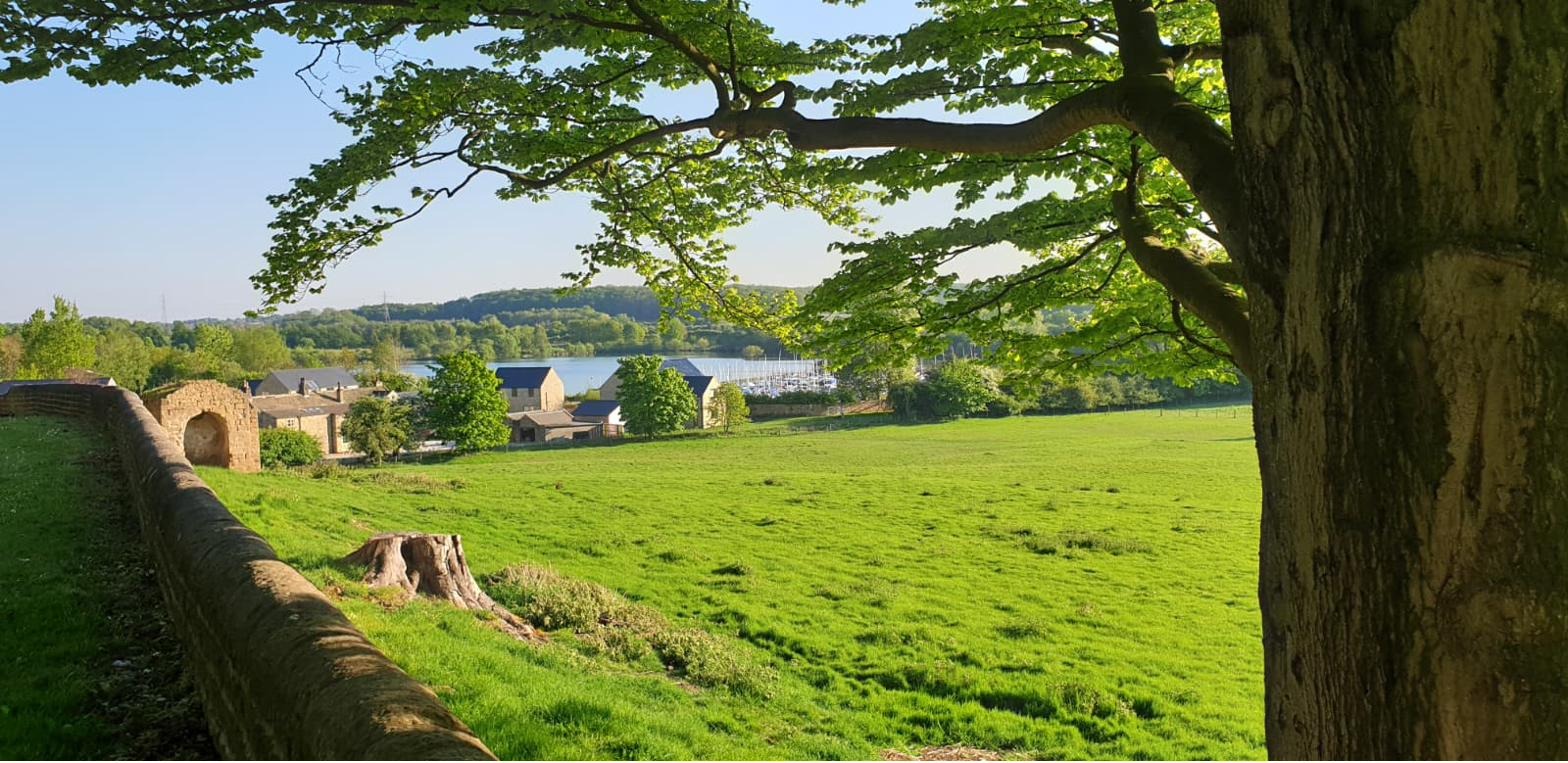
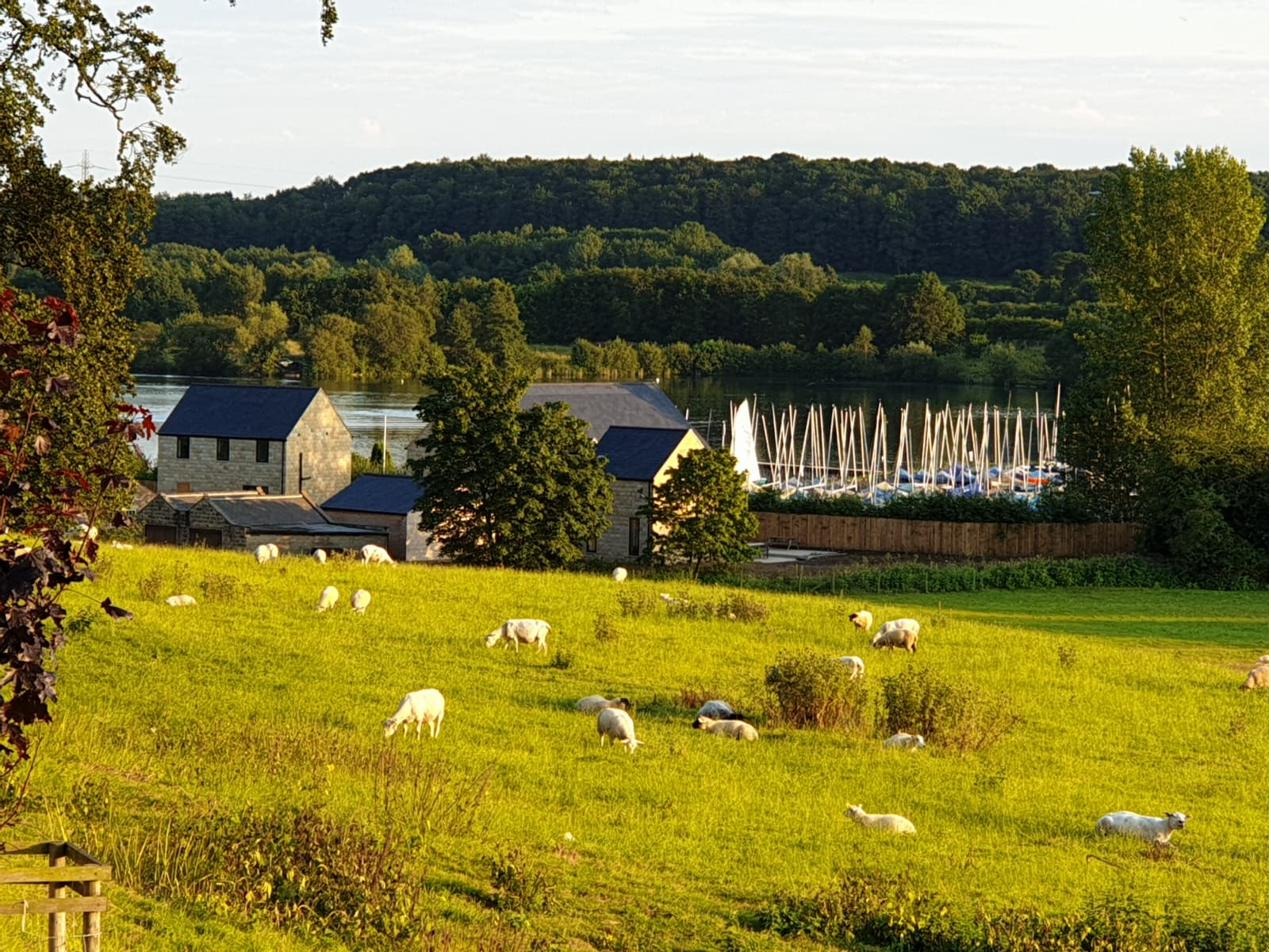
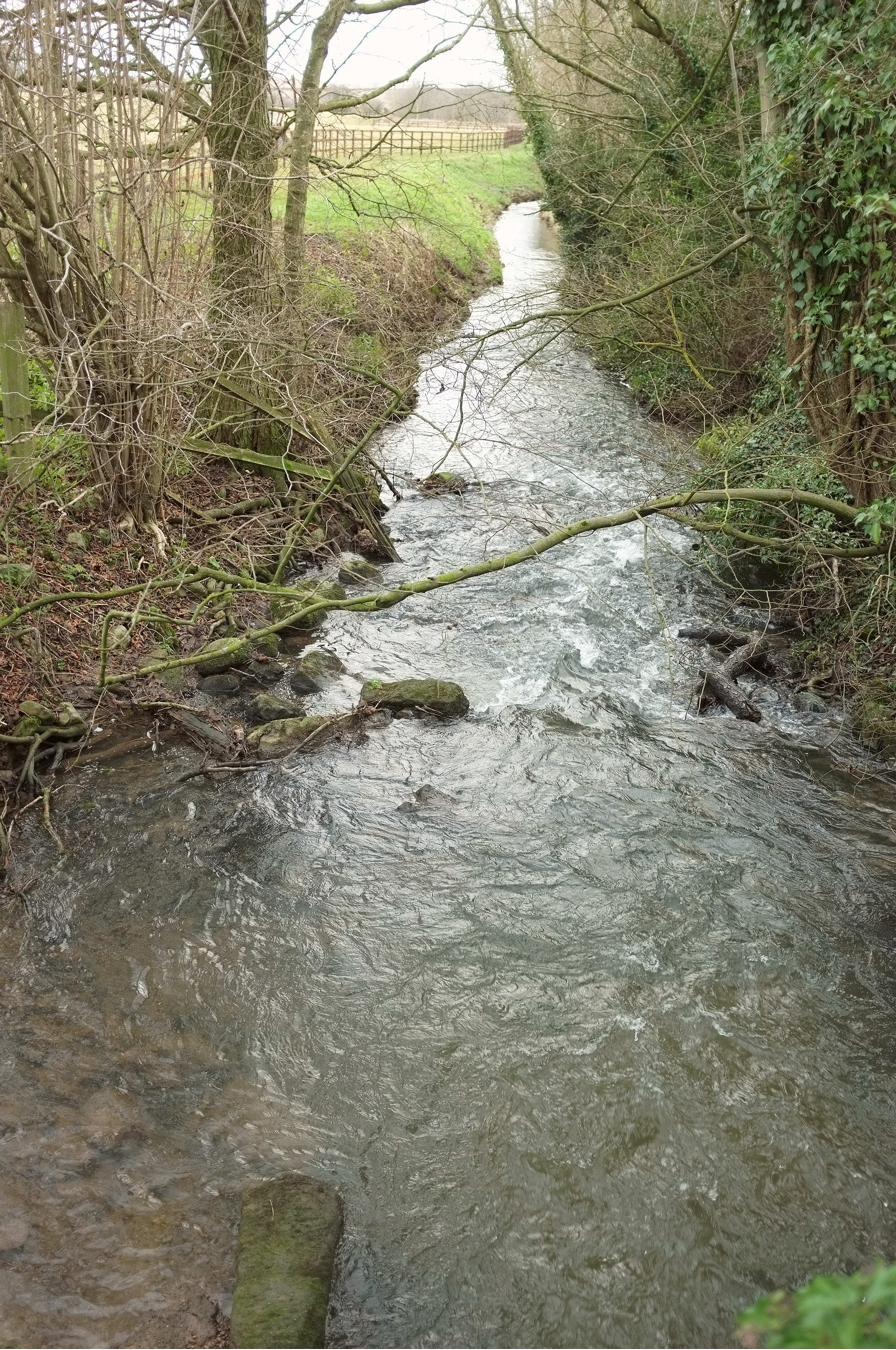
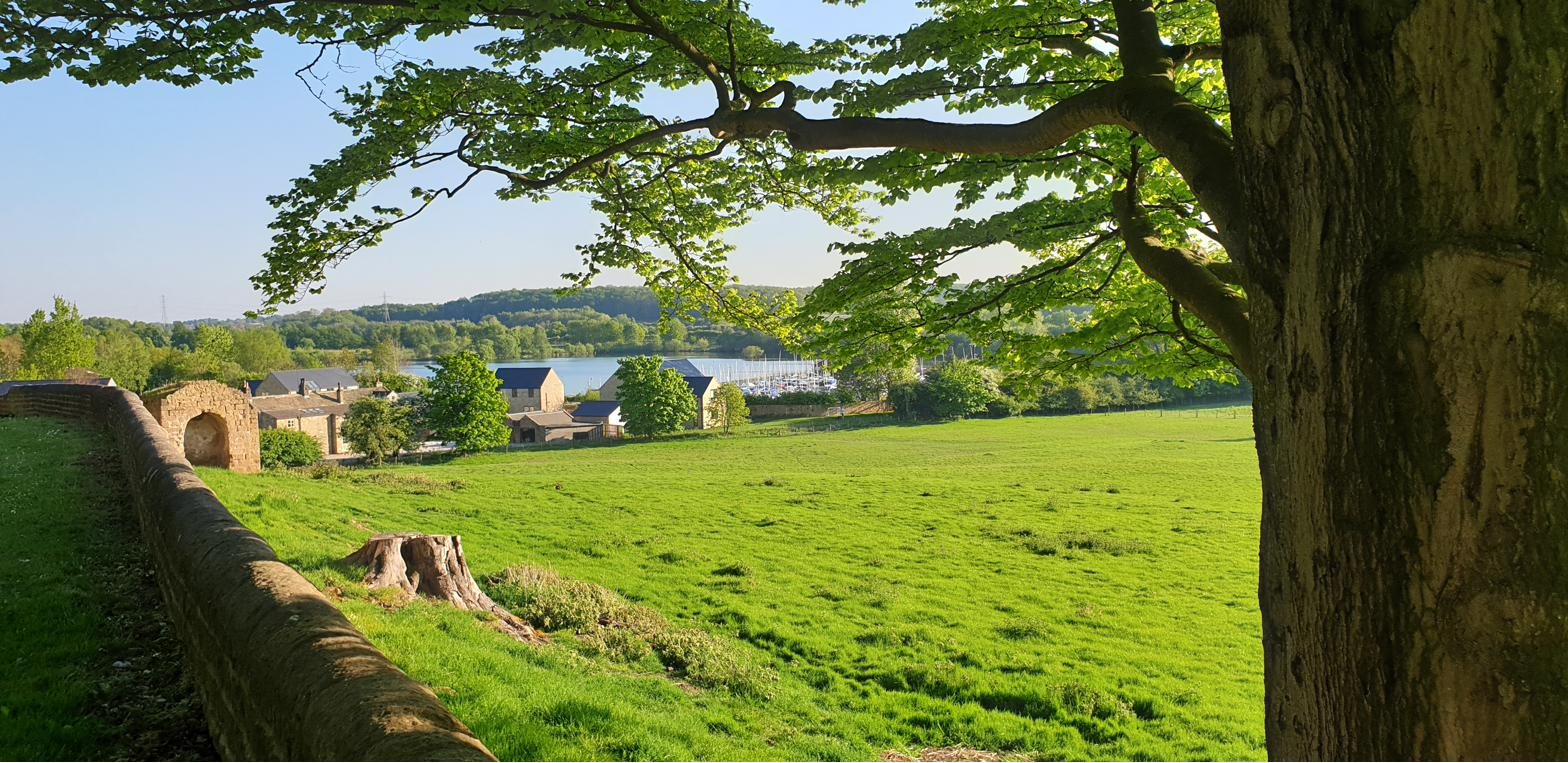
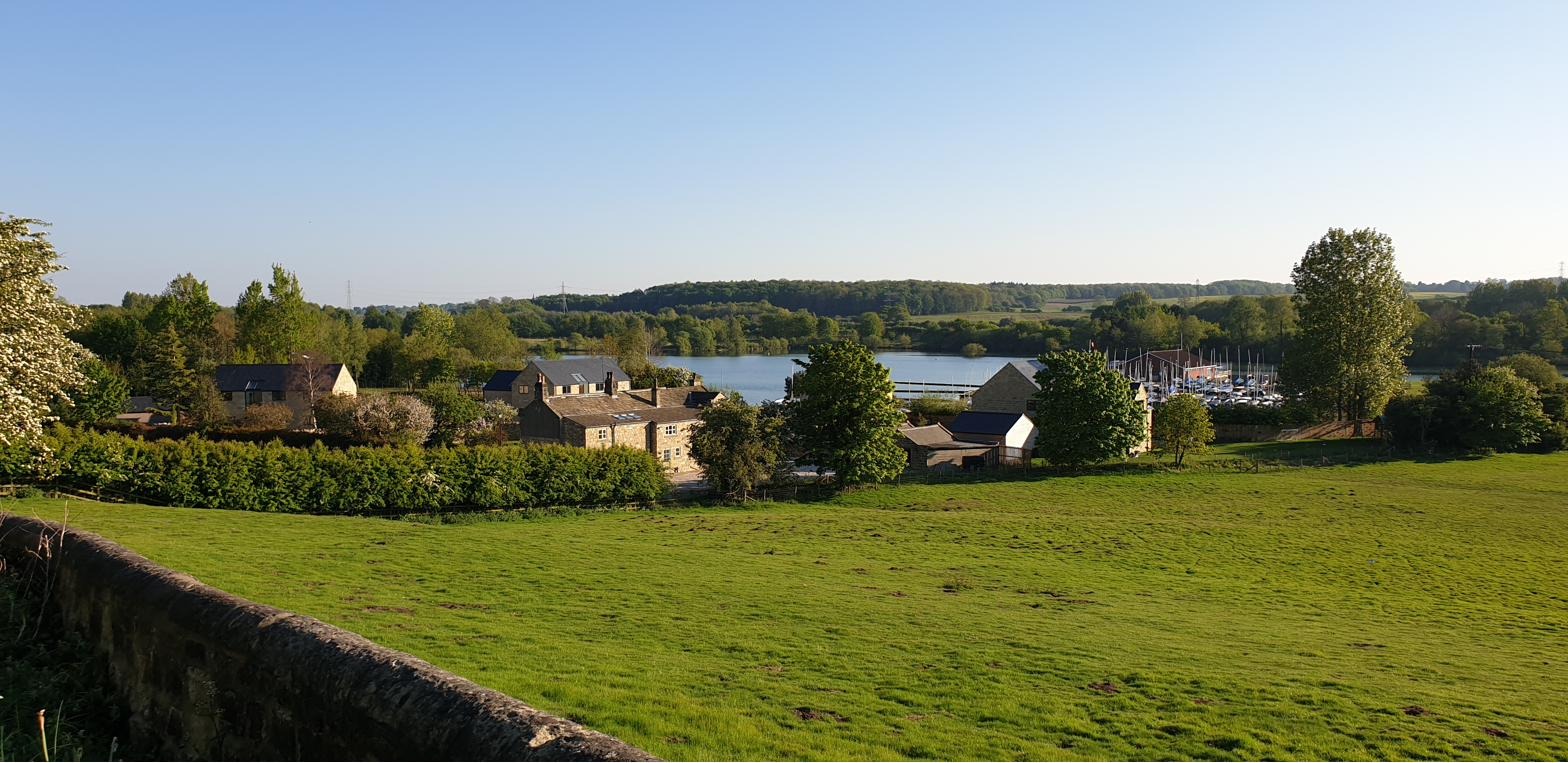
To the south and west of the village lie a sequence of quiet lakes, edged with willow and reed, covering some 200 acres. They are not natural — they are the flooded remains of the Farnham gravel pits, worked from 1941 to 1985, then abandoned and slowly re-imagined.

Today they are a refuge for waterbirds, the home of Ripon Sailing Club, and one of the village’s loveliest landscape assets. A small, very English lesson in the way human use and natural recovery can settle into one another, given enough time and good will.

Gallery

A village in pictures.

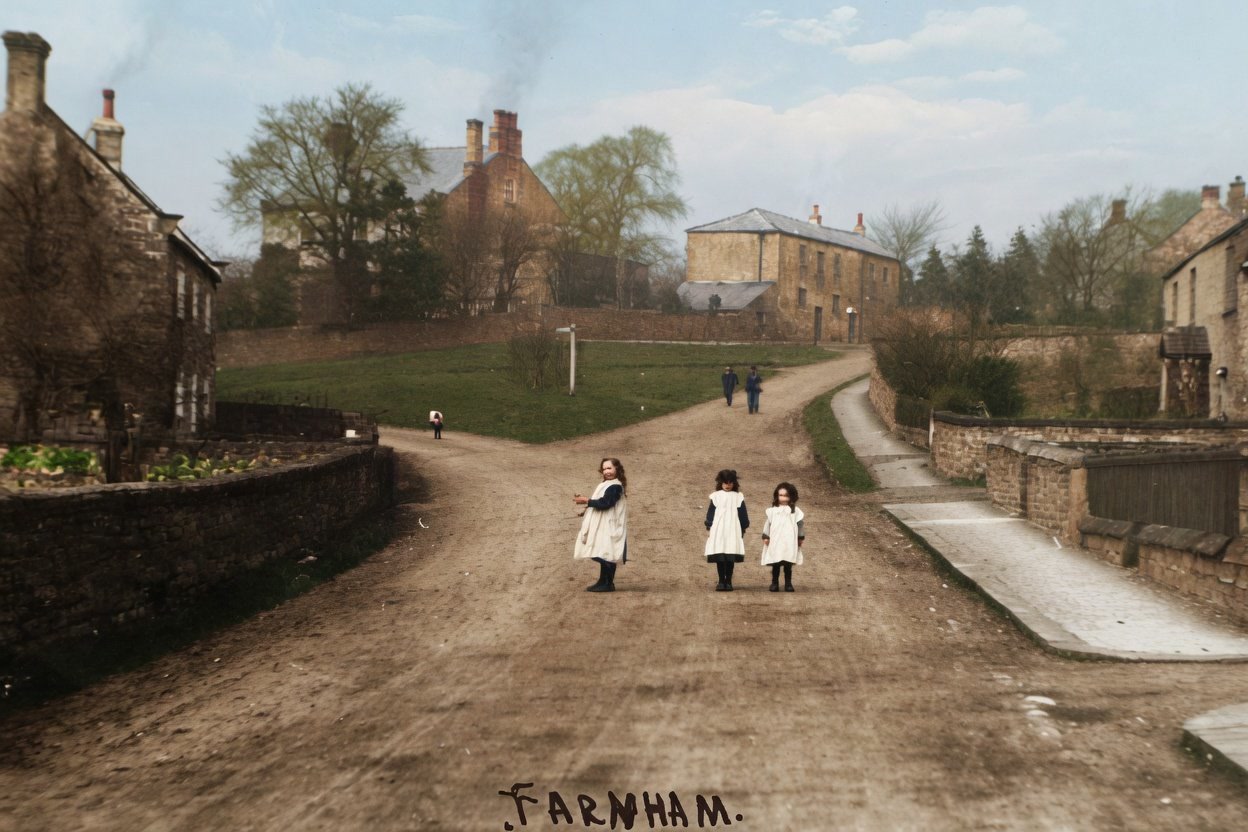
Seasons, stone and light — Farnham through the year in photographs old and new.

View the Gallery
V · Visiting Farnham

Visiting Farnham.

Farnham is a village to walk — best arrived at slowly, and best understood on foot. There are no shops or pubs in the village itself; please bring what you need, leave nothing behind, and keep to the marked footpaths.

Right now in Farnham
--°C

Loading current conditions…

Today --° / --°

Sunrise

—:—

Sunset

—:—

Walks & bridleways

Several bridleways and footpaths radiate from the village — south-west to the lakes, west to Scotton and Ripley along the old bridlepath, and south to Knaresborough and the Nidd Gorge beyond.

Nearby places

Knaresborough Castle & viaduct, Ripley village & castle, Mother Shipton’s Cave, the Yorkshire Dales National Park, and the spa town of Harrogate.

By Train

The nearest railway station is Knaresborough, two miles to the south, on the Harrogate & York line. Trains run roughly hourly. From the station it is a 30-minute walk along quiet roads, or a short taxi ride.

By Car

From the A1(M), leave at junction 47 and follow signs through Knaresborough. From Harrogate, take the A59 north-east and turn off at Scotton or Lingerfield. Limited verge parking only — please be considerate of residents.

Walking

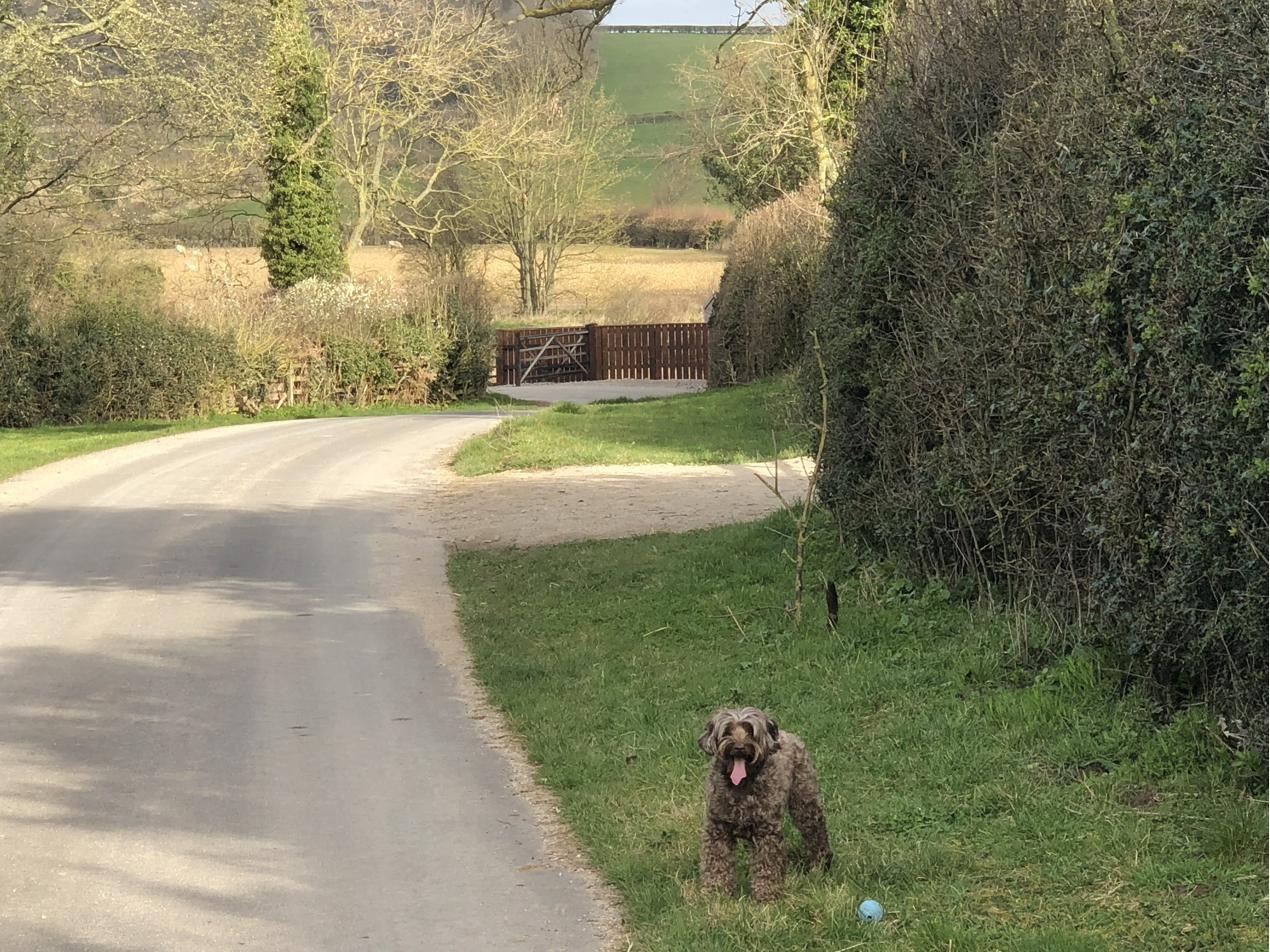
A network of public footpaths links Farnham with Scotton, Brearton and the lakes. Stang Lane climbs gently to the church; Shaw Lane drops eastwards towards Shaw Bridge. The view towards Rabbit Hill is best an hour before sunset.

Nearby

  • · Knaresborough — castle, market, viaduct, river. 2 mi.
  • · Harrogate — Pump Room, Valley Gardens, spa town. 5 mi.
  • · Ripley — castle & planned estate village. 5 mi.
  • · Yorkshire Dales — beginning at Pateley Bridge. 12 mi.
VII · Contact & Parish

Get in touch with the Parish.

For questions about the village, the Conservation Area, footpaths, the church, or to request previous meeting minutes, please use the form opposite.

St Oswald's Church · Rector
The Revd Jen Bradley
01423 601125
Stang Lane, Farnham
Knaresborough HG5 9JD
St Oswald's on A Church Near You →

By submitting, you agree to the village's Privacy Notice. We will only use your details to reply to your enquiry.